
 ES
ES  EN
EN  FR
FR 
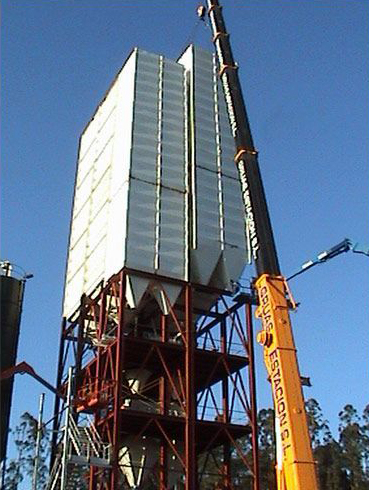 At SOTECMA, we are experts in the design, manufacturing, and supply of dry mortar plants and industrial mortar production plants. We provide turnkey industrial facilities for the production of a wide range of mortars, including tile adhesive mortar, technical mortars, repair mortars, self-leveling mortars, and colored monocouche mortars, among others.
Our expertise in aggregate processing plant engineering and industrial dosing and mixing processes enables us to develop tailor-made projects for the production of pre-mixed mortar, adapting to the specific needs of each client in the construction and civil engineering sectors. Contact us and we will help bring your project to life.
Dry Mortar Plant Specifications
The main features of our dry mortar plant are:
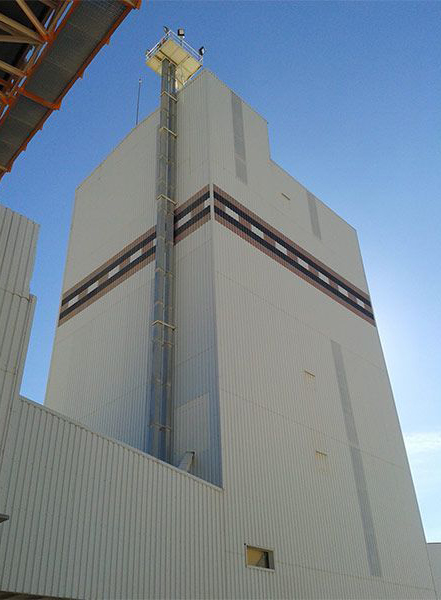
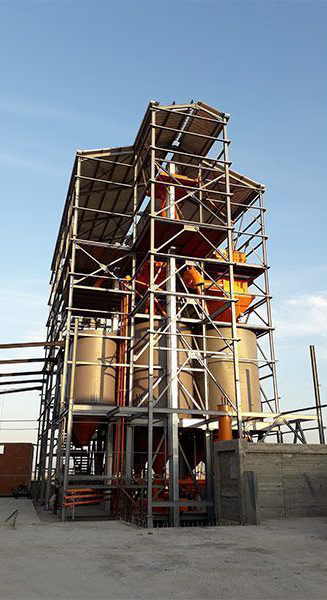
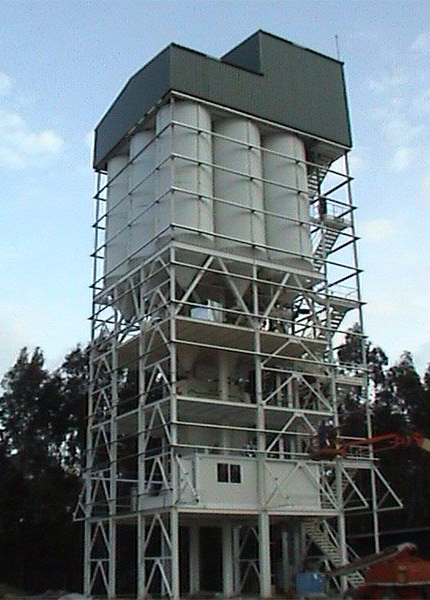
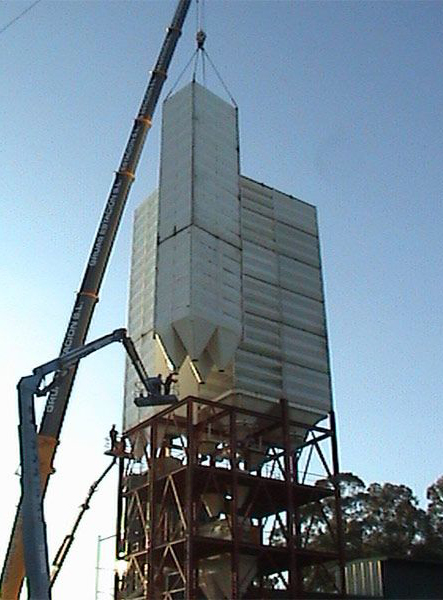
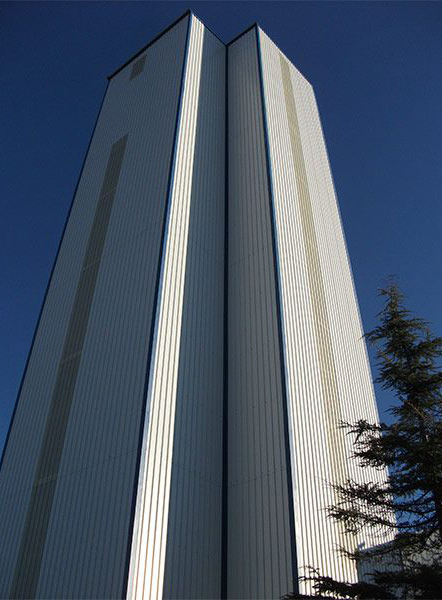
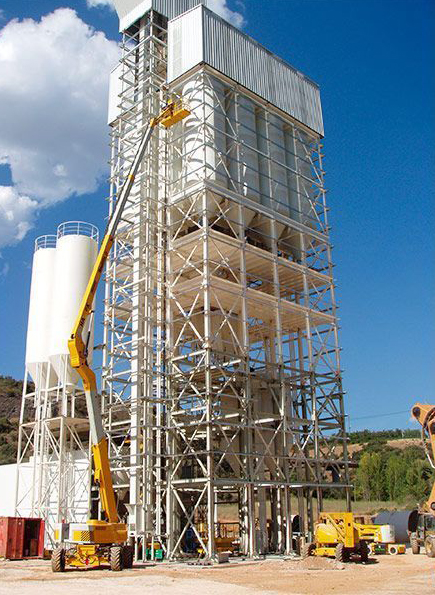
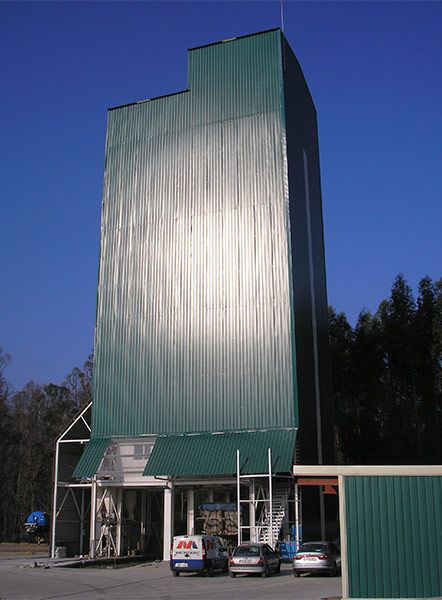
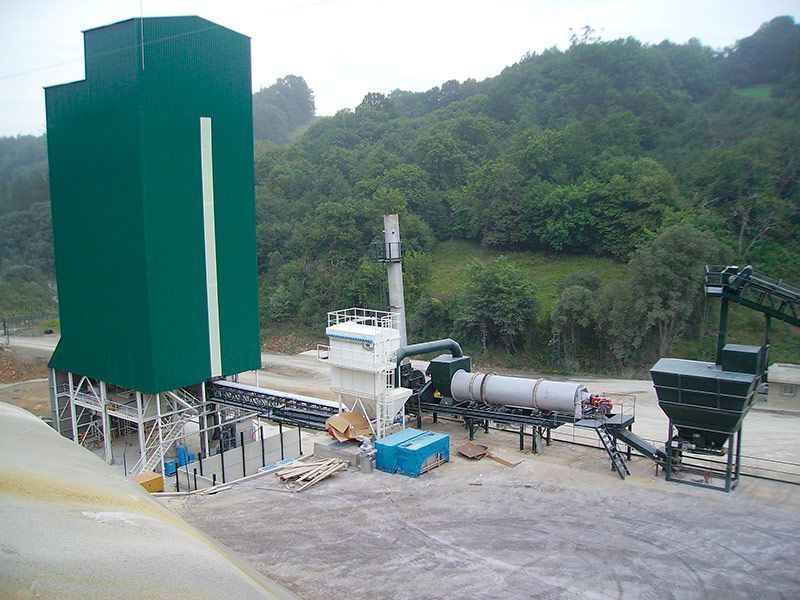
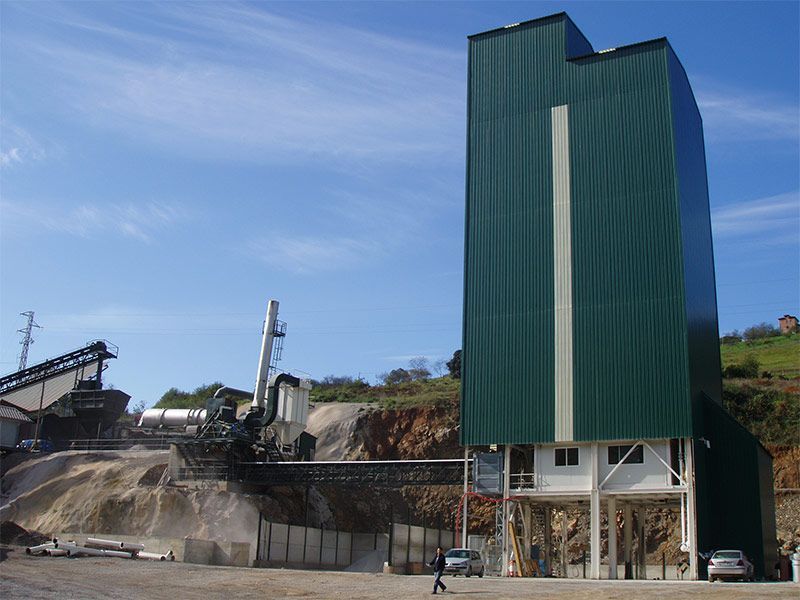
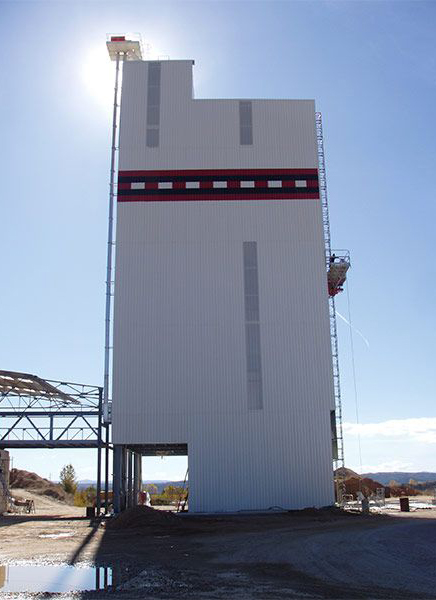
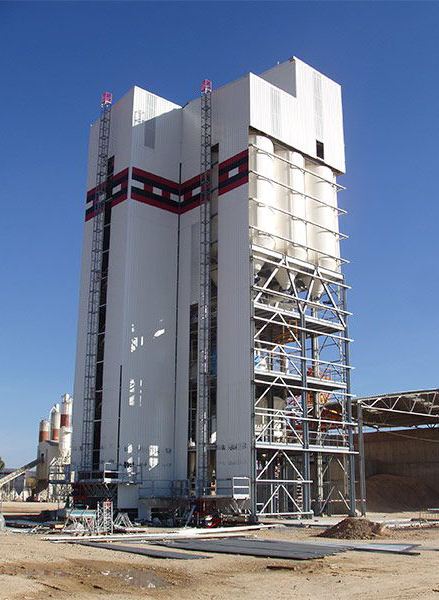
Modular tower or semi-tower design, optimizing space and improving operational efficiency.
Production capacity from 10 to 150 tonnes per hour (t/h), ideal for meeting the demands of large-scale construction and infrastructure projects.
Aggregate receiving, classification, and storage systems (optional), allowing the integration of raw material processing lines for sand, gravel, cement, lime, and chemical additives.
Flexibility to incorporate different industrial mortar formulations, including monocouche mortars, specialty mortars, tile adhesives, and self-leveling mortars, adapted to a variety of modern construction applications.
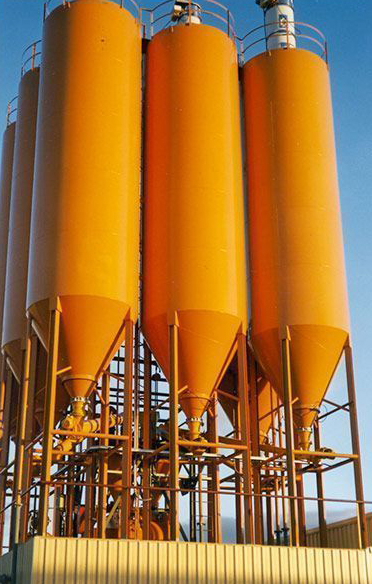
Raw material storage silos, available in capacities ranging from 40 m³ to 400 m³ per unit, manufactured from high-strength materials to ensure safety and precise control of dosing processes.
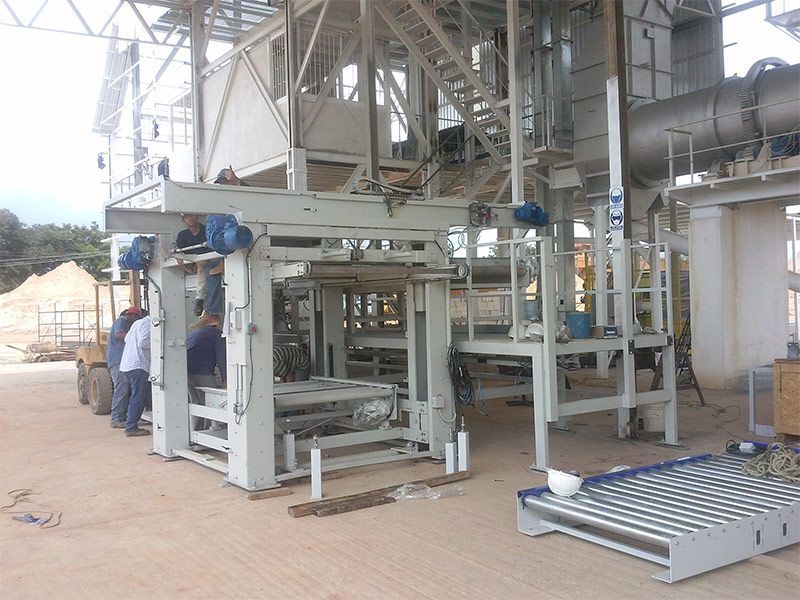
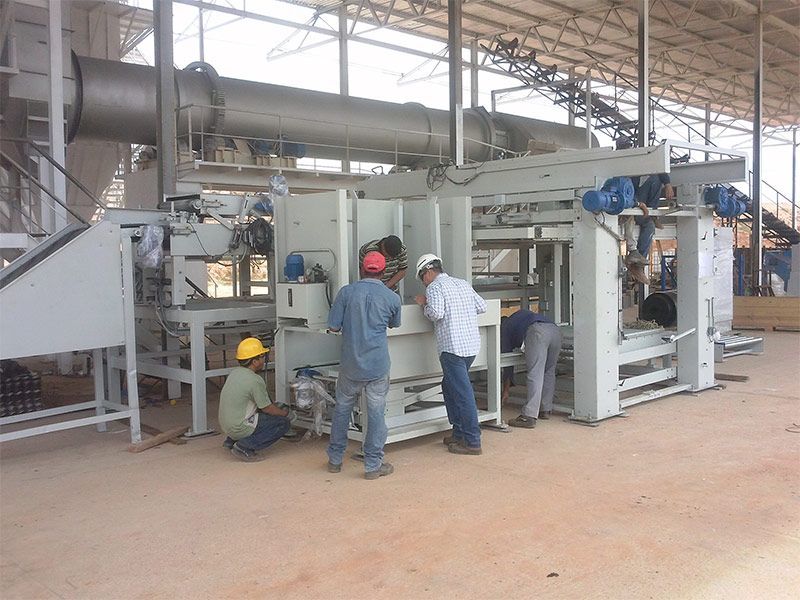
Open-span steel support structures capable of spanning up to 9 metres, facilitating the movement of bagging equipment, automatic palletizing systems, and truck access for direct product loading.
A dry mortar plant basically consists of a silo system for storing raw materials (aggregates, cement, lime, additives, etc.), from which gravimetric dosing is carried out and fed into a mixer. There, the materials are blended according to the exact composition of the required mortar. Once produced, and prior to its use on site, the mortar can be bagged, temporarily stored in silos, or loaded directly into a tanker truck for transportation.
Related link: PDF Dry Mortar Manufacturing Plant Catalogue (ES, EN)
The plant is equipped with the following main equipment:
Major Raw Material Silos (Aggregates and Cement)
These silos are designed to store each of the main components that make up the mortar. Cement, lime, and filler, as well as all other fine materials, are loaded pneumatically directly from the tanker trucks that transport them.
Aggregate loading is carried out through a receiving hopper where trucks unload the material. The aggregate is then conveyed to a bucket elevator, which lifts it to a distribution system consisting of chutes, screens, and screw conveyors that classify and deposit the material into the corresponding silos.
Additive Silos
Like the main components, additives are also stored in silos. Typically, two groups of silos are used: one with larger capacity for major additives and another with smaller capacity for minor additives. These silos are generally loaded manually, as additives are usually supplied in bags or big bags.
Material Dosing and Mixing System
Once the raw material storage process has been completed, the operator selects the required formulation and production quantity through the control software, where the corresponding recipes have been previously programmed. The software provides real-time information on order status, raw material inventory, and finished product stock levels.
Material from each silo is dosed by screw conveyors into weighing hoppers, which then discharge into the mixer. In the case of additives, each silo is equipped with a micro-dosing unit that feeds the material in a controlled manner to the precision weighing system patented by SOTECMA.
After weighing, the additive is discharged into a pneumatic conveying system that transports it directly to the mortar mixer. Once the mixer has been loaded with all the selected and weighed materials, the mixing process begins. Upon completion of the mixing cycle, the final product is ready for bulk transport, silo storage, or bagging.

A dry mortar plant basically consists of a silo system for storing raw materials (aggregates, cement, lime, additives, etc.), from which gravimetric dosing is carried out and fed into a mixer, where the materials are blended according to the exact mortar formulation required.
Once produced, and prior to its application on site, the mortar can be bagged, temporarily stored in silos, or loaded directly into a tanker truck for transportation.
Let us take a closer look at the different pieces of equipment that make up a dry mortar manufacturing plant.
Related link: PDF Dry Mortar Manufacturing Plant Catalogue (ES, EN)
1. Conveying and Unloading Equipment
Conveying and unloading equipment enables the intake of raw materials into the manufacturing plant and their transfer to the corresponding storage silos.
The loading of cement, lime, filler, and, in general, all fine materials is carried out pneumatically directly from the tanker trucks that transport them.
Aggregates are loaded through a receiving hopper where trucks discharge the material. The aggregate is then conveyed to a bucket elevator, which lifts it to a distribution system consisting of chutes, screens, and screw conveyors that classify and deposit the material into the appropriate silos.


2. Major Raw Material Silos (Aggregates and Cement)
Raw material silos are designed to store each of the major components that make up the mortar until they are dosed and mixed to produce the finished product.

3. Additive Silos
Like the major components, additives are also stored in silos. Typically, two groups of silos are used: one with larger capacity for major additives and another with smaller capacity for minor additives.
These silos are generally loaded manually, as additives are usually supplied in bags or big bags.
4. Material Dosing and Mixing System
Once the raw material storage process has been completed, the operator selects the required formulation and production quantity through the control software, where the corresponding recipe has been previously entered. The software provides real-time information on order status, as well as raw material inventory and finished product stock levels.


Once the mixing process has been completed, the final product is ready for transport, silo storage, or bagging.
5. Dispatch and Supply
Bulk Supply
The mortar is delivered to the construction site by tanker truck, which unloads the product into a storage silo where it is kept until application. The mortar supplier is responsible for providing both the storage silo and the water mixing equipment together with the mortar.
The image on the following page shows a schematic representation of the bulk dry mortar transport method.

On site, the product can be discharged from these silos in two different ways:
- By gravity, placing a mixer beneath the silo outlet, where water is added and the mortar is mixed for immediate application. The prepared mixture must then be transported to the work area.
- By pressure, where the silo is pressurized and the dry mortar is pneumatically conveyed directly to the exact point of application. The mortar is then mixed with water using a portable mixer located next to the work area.
Supply in Big Bags, Sacks, or Bags
This method is generally used for transporting and distributing specialty mortars, as they are consumed in smaller quantities. In the case of sacks and bags, a subsequent palletizing process is required, which can be carried out either manually or automatically.
At the construction site, mixing can be performed manually or by using a mixer equipped with a bag breaker.