
 ES
ES  EN
EN  FR
FR 
In most industrial production processes involving the handling of bulk solids, it is necessary to prepare recipes or formulations for dosing the different components that make up the final product.
Depending on the industrial process, the raw materials used, the final product and the quantities to be dosed, different techniques are available for dosing and weighing the various components. These operations can be carried out either continuously or in batches, depending on the plant design and production requirements.
Although dosing is generally performed using gravimetric systems, volumetric dosing may also be used in certain applications when handling very low-density materials or when high dosing accuracy is not required. However, this method is less common in bulk solids dosing processes.
SOTECMA specializes in bulk solids dosing and weighing systems.
At SOTECMA, we have extensive experience in both gravimetric and volumetric dosing systems for continuous and batch (discontinuous) processes.
In any dosing process, as well as in the production of concrete and other construction materials, at least three basic pieces of equipment are required:
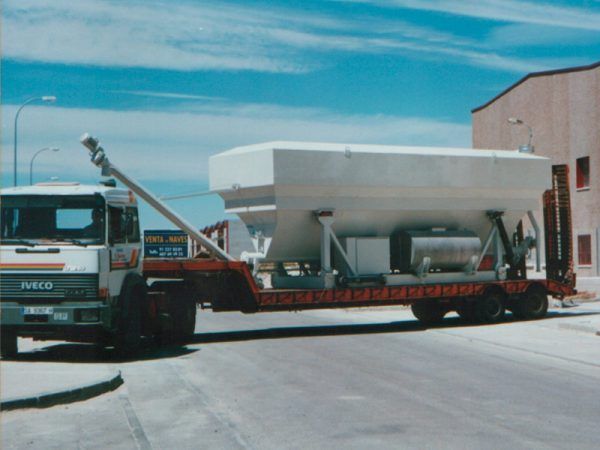
- The silo or storage hopper where the material is stored.
- The material extraction equipment.
- The continuous weighing scale.
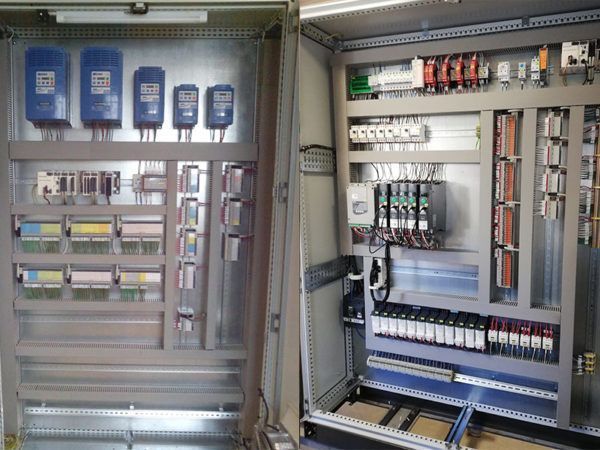
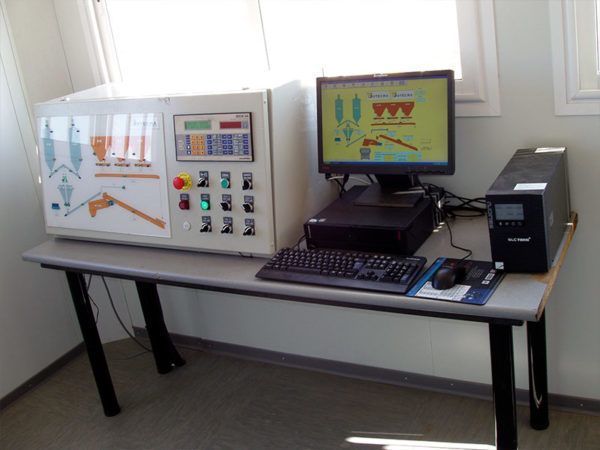
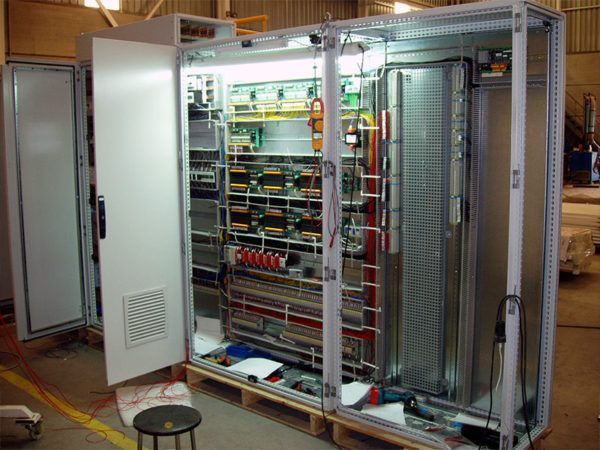
A fourth component is virtually essential: the automation system. This system ensures precise dosing adjustments and guarantees consistent product characteristics throughout every production batch.
In continuous gravimetric dosing processes, an automatic control system is essential to ensure process accuracy, repeatability and stability.


Dosing systems can be classified in two different ways. According to the measurement method used, they may be gravimetric (weight-based) or volumetric. According to the operating mode, they may be continuous or batch (discontinuous) systems.
Continuous Gravimetric Dosing
Continuous gravimetric dosing is one of the most complex dosing processes and is generally used for bulk solids. Its operation requires a dynamic weighing system capable of continuously measuring the amount of material being fed into the subsequent process, which is typically a mixing system. For this reason, the design of the weighing equipment is one of the most critical aspects of this type of installation.
At SOTECMA, we have more than 30 years of experience developing continuous gravimetric dosing systems, using technologies such as dynamic belt weighing and loss-in-weight hopper dosing systems, a utility model patented by SOTECMA more than 20 years ago that provides a higher level of dosing accuracy.
Due to its complexity, this type of dosing system always requires an automatic control and automation system to ensure process stability, weighing accuracy and dosing repeatability.
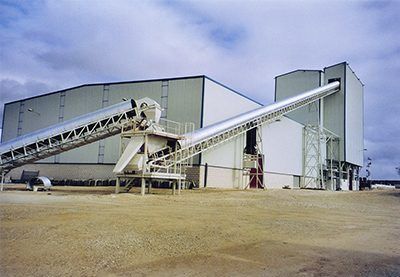
This type of dosing system is used in our soil-cement and cement-treated aggregate plants for the continuous and accurate dosing of cement onto the aggregate, ensuring a homogeneous mixture and compliance with the specifications of each project.
Batch Gravimetric Dosing
Batch gravimetric dosing is the most widely used system when a high level of accuracy is required, as the material is weighed statically, allowing precise adjustment of the feed rate before each weighing cycle is completed. In addition, it is easier to implement than continuous gravimetric dosing systems.
In any weighing system, it is essential to eliminate vibrations and any external influences that may affect scale accuracy, especially when dosing small quantities of material below 10 kg. For this reason, SOTECMA has developed and patented a high-precision weighing scale with a tilting discharge system, fully enclosed to prevent external interference and ensure maximum weighing reliability.
Although this type of dosing can be carried out manually by starting and stopping the dosing equipment, this approach is not recommended. Automating the process eliminates errors such as omitted ingredients, duplicate additions or overdosing caused by delayed shutdown of the feeder, thereby ensuring process repeatability and consistent final product quality.
This dosing system is used in our soil-cement and cement-treated aggregate plants for water dosing, ensuring the precise addition of this component so that the final mixture achieves the required moisture content and performance for each specific application.
The only difference from the previous system is that the process is carried out in batches. However, this does not necessarily provide greater accuracy, as the measuring equipment used is generally the same for both continuous and batch processes.
Thanks to the experience gained over many years of project development, our range of equipment includes the following solutions:
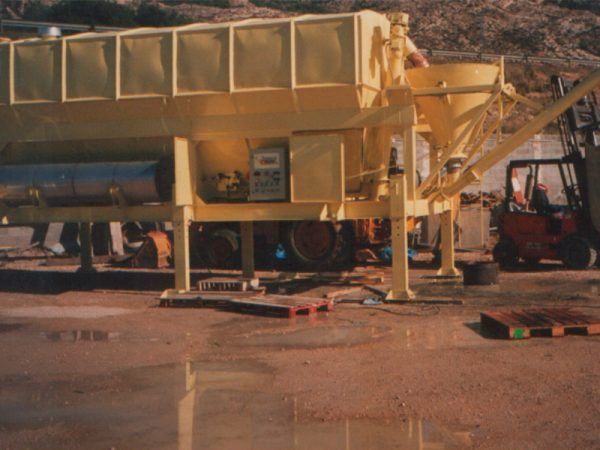
- Micro-dosing of additives by volume and by weight.
- Continuous cement and water dosing systems for soil-cement and cement-treated aggregate plants.
- Dynamic belt weighing systems.
- High-precision tilting weighing system (patented).
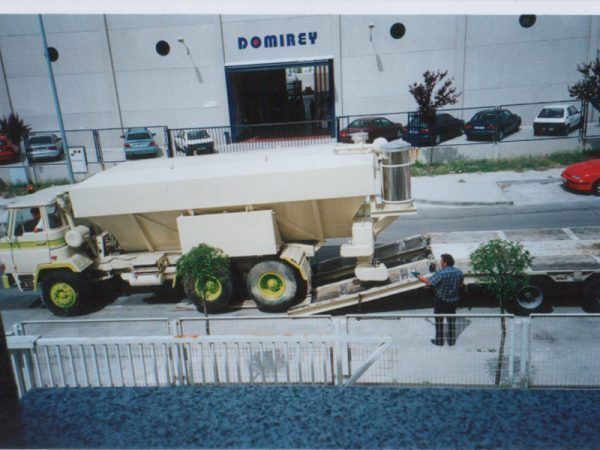
- Portable solid additive feeder for asphalt plants (patented).
- Lime dosing silo for water treatment.
- Complete chemical additive dosing systems for dry mortar and tile adhesive manufacturing plants.