
 ES
ES  EN
EN  FR
FR 
In response to the evolution of asphalt mixtures, where the use of additives to improve performance, properties and color has become increasingly common, SOTECMA has developed equipment that can be easily transported and installed on any type of asphalt plant, enabling this dosing process to be carried out fully automatically.
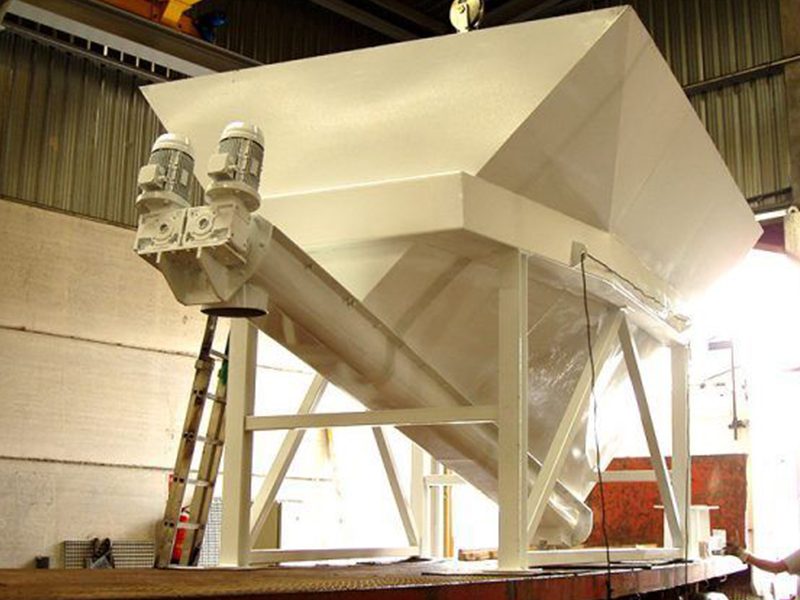
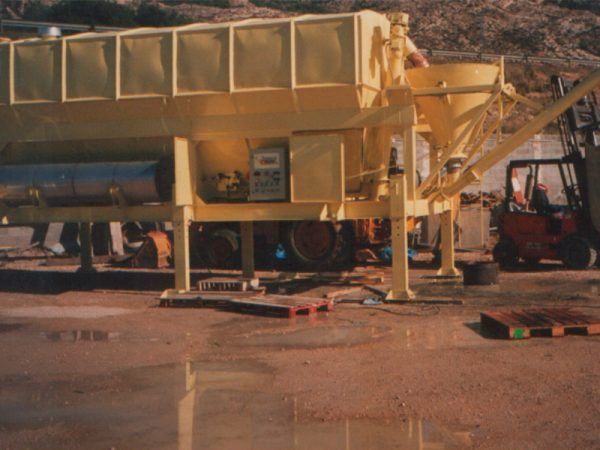
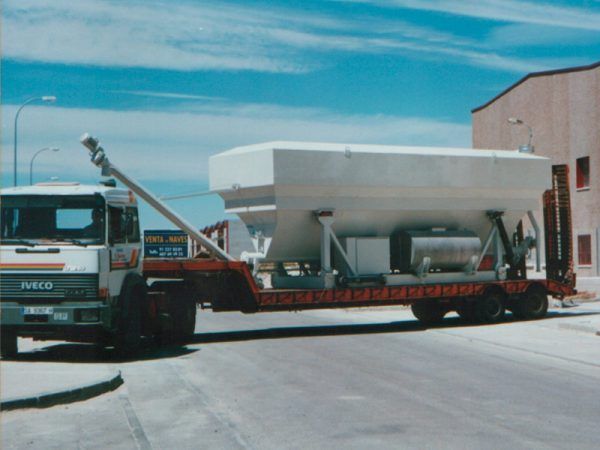
This equipment is designed to dose two components simultaneously. It is equipped with two hoppers, each with an approximate capacity of 1,500 liters, which can be loaded either from bags or big bags.
Dosing is carried out by means of two screw conveyors, which extract the material stored in the hoppers and transfer it to a common weighing hopper, ensuring accurate and controlled dosing of both components.
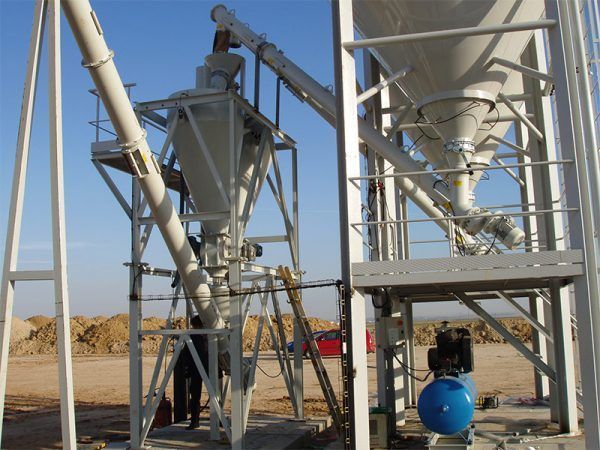
Once the dosing process has been completed, the unit incorporates a pneumatic conveying system with a pressure vessel, which transports the dosed components to the mixer through a flexible hose.
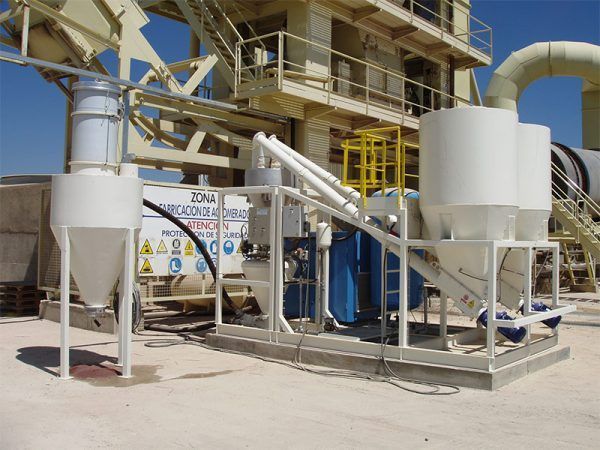
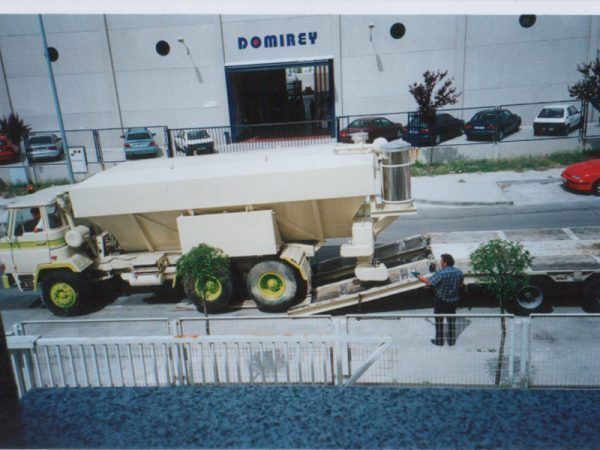
The equipment integrates all its components into a compact unit, with dimensions that allow easy loading and transportation. Its overall dimensions are designed to permit conventional low-loader transport, making it easy to move between different asphalt plants.
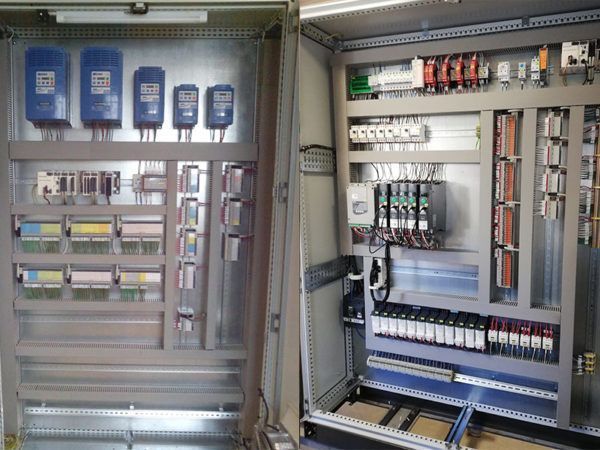
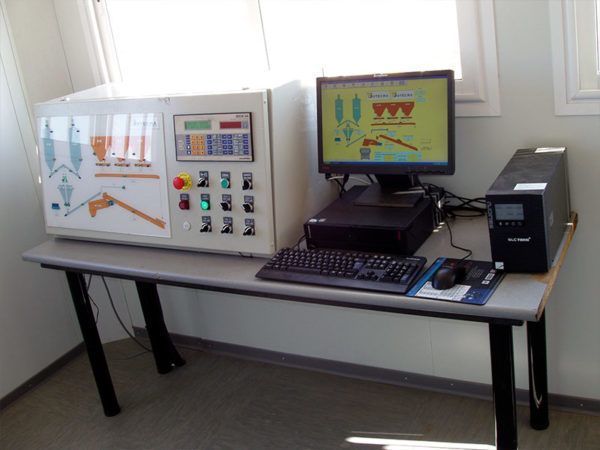
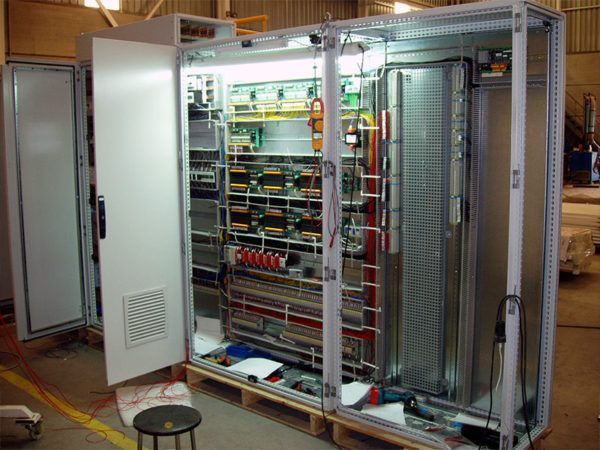
The dosing unit is equipped with an electrical control panel managed automatically by a PLC and fitted with quick-connect systems, allowing fast and straightforward installation, connection and commissioning at any asphalt plant.
Although it was originally developed for dosing additives in asphalt plants, it has since been successfully installed in other types of facilities with similar requirements. Its versatility allows it to dose a wide range of additives, from fibers and polymers to powdered and granular pigments.
- Two big bag receiving hoppers with capacities ranging from 1,000 to 1,500 liters, manufactured in carbon steel and equipped with level sensors and vibro-fluidization systems.
- Wear-resistant flexible hose conveying line (2"–2½") to the mixer.
- Tubular carbon steel structure with an enamel paint finish in the color specified by the customer.
- Material feeding to the weighing hopper by means of screw conveyors.
- High-density pneumatic conveying system comprising an air compressor (18.5–30 kW), a 500–900 liter air receiver and a pressure vessel.
- Stainless steel weighing hopper with a load capacity of 60 to 120 kg and a useful volume of 80 to 120 liters.
- Automatic control panel for dosing and conveying operations, equipped with quick-connect systems to ensure greater reliability and faster installation and dismantling.
Advantages of the dosing system
The main advantages of using solid additive dosing systems in asphalt plants are:
- Designed to accurately dose and convey up to two additives simultaneously.
- The only system on the market capable of simultaneously dosing powdered and granular additives.
- The flexible hose connection to the asphalt plant allows the unit to be installed in different locations.
- Its compact dimensions allow standard road transport without the need for special permits.
- All components are designed for reliable outdoor operation.
- Equipped with a high-power air compressor that can also be used as a backup compressor for the asphalt plant in the event of failure of the original unit.
- Low maintenance costs.
- Fast return on investment, thanks to the use of additives supplied in big bags, which are generally more economical than pre-weighed bags, while also eliminating manual preparation and dosing operations.
- No foundations or special civil works are required for installation, as the unit is mounted on skid beams that allow it to be placed directly on the ground.